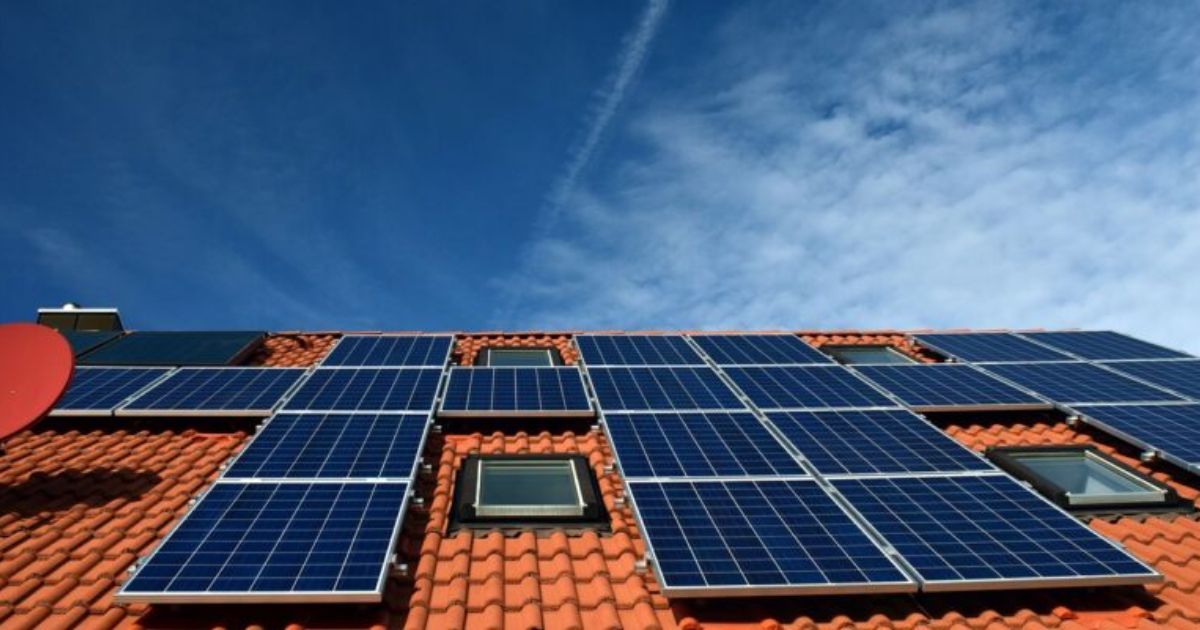
Pakistan where energy crises has always been a problem, people on an individual level are rapidly making a shift towards solar energy.
In recent times, solar energy has proved how beneficial and efficient it is for electricity generation. Not only does the electricity produced from solar energy not have adverse effects on the environment it also is easy on the pocket. This method of electricity production helps decrease pollution and makes the environment cleaner too. Due to the advancement in the technology many people are now taking the leap towards installing solar panels in their homes. Specifically in Pakistan where energy crisis has always been a problem, people on an individual level are rapidly making a shift towards solar energy. So, while we talk about solar energy, let’s take a look at its benefits.
How much are you paying for electricity?
Before taking the plunge for solar panels, it is highly important to first consider the benefit it will bring you. The first factor to consider is the amount of electricity you are currently consuming and the amount you are paying for it. Considering the recent hike in electricity tariffs, a consumer with a consumption between 300 – 700 units will be billed around Rs. 20.82 per unit. So, for example a household has consumed 433 units, after the addition of GST, Govt tax, fuel adjustment charges, and all other relevant government charges the total bill will amount to roughly Rs. 8600. For an average income household that figure every month amounts to about Rs. 103,200 per year.
How does a solar panel work?
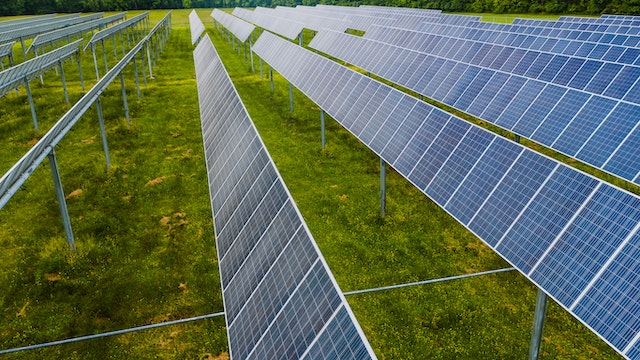
A solar panel basically absorbs solar rays from the sun and converts them to electricity which is then utilized in the various electrical appliances in a household. The amount of electricity produced depends on the quality of the solar panels. It is believed that good and high-quality solar panels can absorb more heat than the low-quality solar panels. High quality solar panels are efficient in giving a better output.
Cost of the solar panel system?
While the costs of solar panel systems might be a little towards the higher end, we also need to consider the long term benefit it brings by eventually completely eradicating the cost of electricity to be paid every month. Solar panels are available and sold as per watts. The price of 1Kw solar panel differs from company to company and quality to quality. However, on an average the price of 1kw ranges between Rs. 70,000 – 100,000. Moreover, the federal government has recently in the Budget 2022-2023 announced to exempt solar panels of sales tax, thereby reducing the cost of installing solar panels furthermore. On an average, a 1kw solar panel can generate about 2.70 units per day. This amount is sufficient for a small family. According to the requirements, the capacity of the solar panels can of course be increased.
Average payback period of a solar panel system
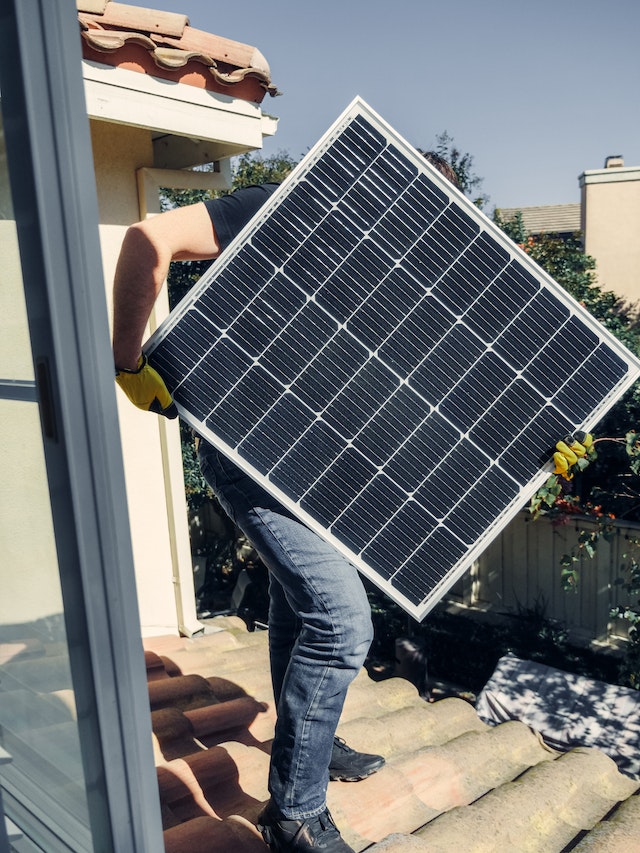
If utilized efficiently, on an average a solar panel of about 1.3kw can save up to 2500-4500 per billing cycle. And at this rate the entire investment can be returned within 4 to 5 years, owing to the factor that the system works brilliantly. Utilizing solar energy as much as possible during the day time is the key to having good pay backs.
Value of properties with solar systems
The market trends have shown that residences with solar systems installed in them have a much higher mortgage value as compared to those without solar panels. That makes the investment in solar panels all the more worth it.
Solar panels’ efficiency in winters
When talking about solar panels and their directly proportional relation to sunlight, a question that is usually asked is “do solar panels work during winters” and the answer is a resounding YES. In Pakistan, the areas near the sea like Karachi, do not experience a harsh winter, thus having no effect on the efficiency of the system. The plains of Pakistan such as Lahore do experience harsh winters, but the production of electricity through solar panels do not use the Sun’s heat energy. Rather it uses the radiations of the sun, which provides energy to the electrons in the solar panels. Yes, the duration of this radiation is shorter in winters as compared to summers, but then again, the overall electricity requirement does also reduce during the winters.
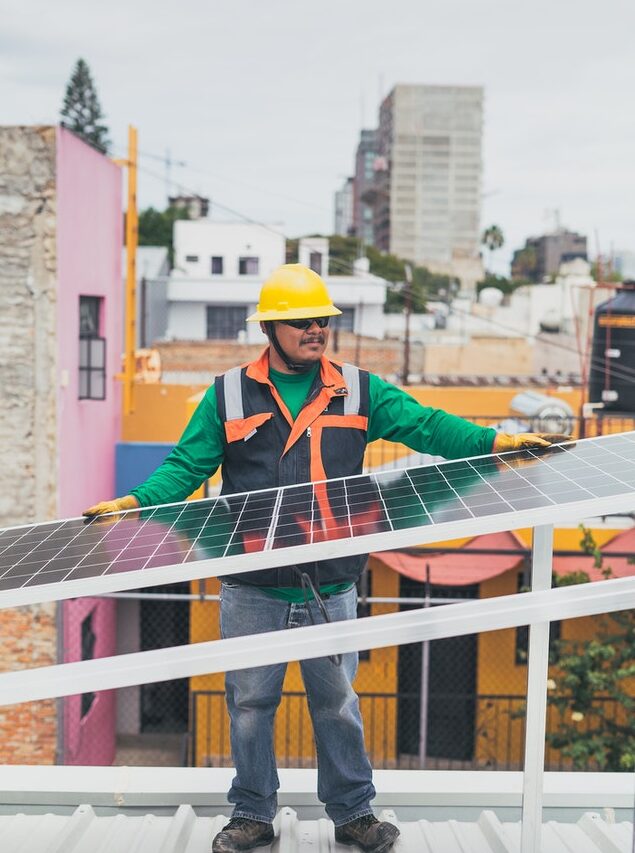
Solar panels – A good investment?
The benefits that a good solar system brings to a household are far higher than the one-time investment it requires. The solar technology market is currently booming. Waiting for further improvements will not give off as many benefits as getting a solar system would. And with the energy crisis and load-shedding at its peak, it is high time that we free ourselves from the worries of skyrocketing bills and invest in a good quality solar panel system